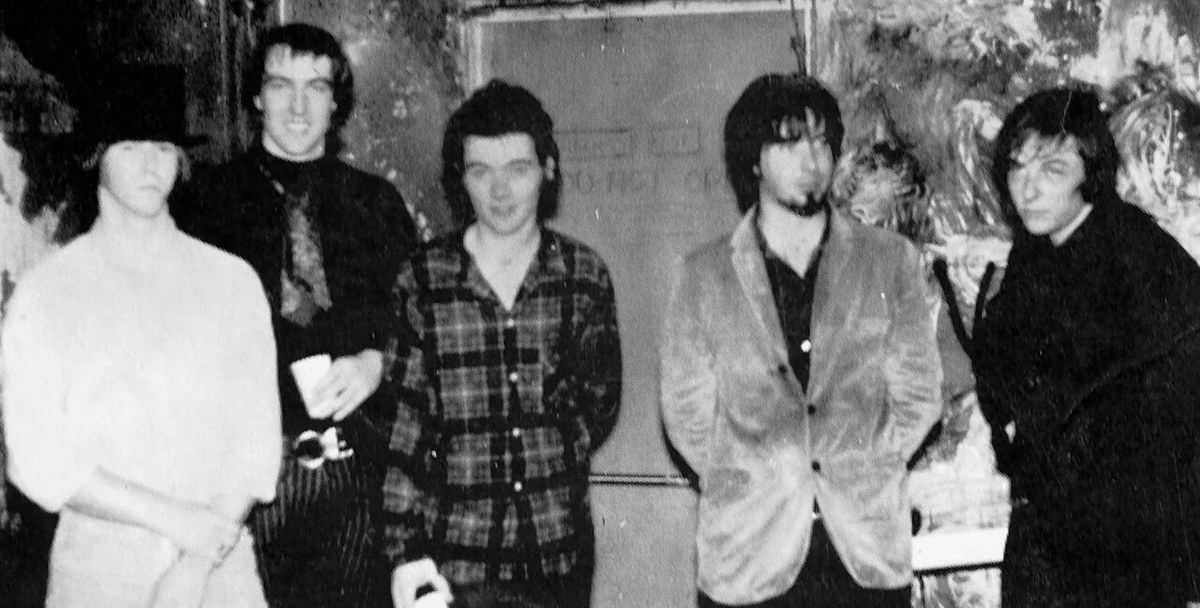
Most casual listeners meet Roky Erickson at the beginning: the 13th Floor Elevators, the electric jug, “You’re Gonna Miss Me,” the Texas arrests. The second half of his life is harder and, in its way, more astonishing. It includes years inside Rusk State Hospital, horror-themed solo rock in the late 1970s and 1980s, near-total withdrawal, a 1990 all-star tribute that raised money when he desperately needed it, a tentative 1990s return, a full touring comeback in the 2000s, and a final studio statement with Okkervil River in 2010. He died in Austin on May 31, 2019, at seventy-one.
For the Elevators years and the documentary that brought his family story to theaters, see Roky Erickson & the 13th Floor Elevators and You’re Gonna Miss Me.
After Rusk: aliens, explosives, and haunted rock
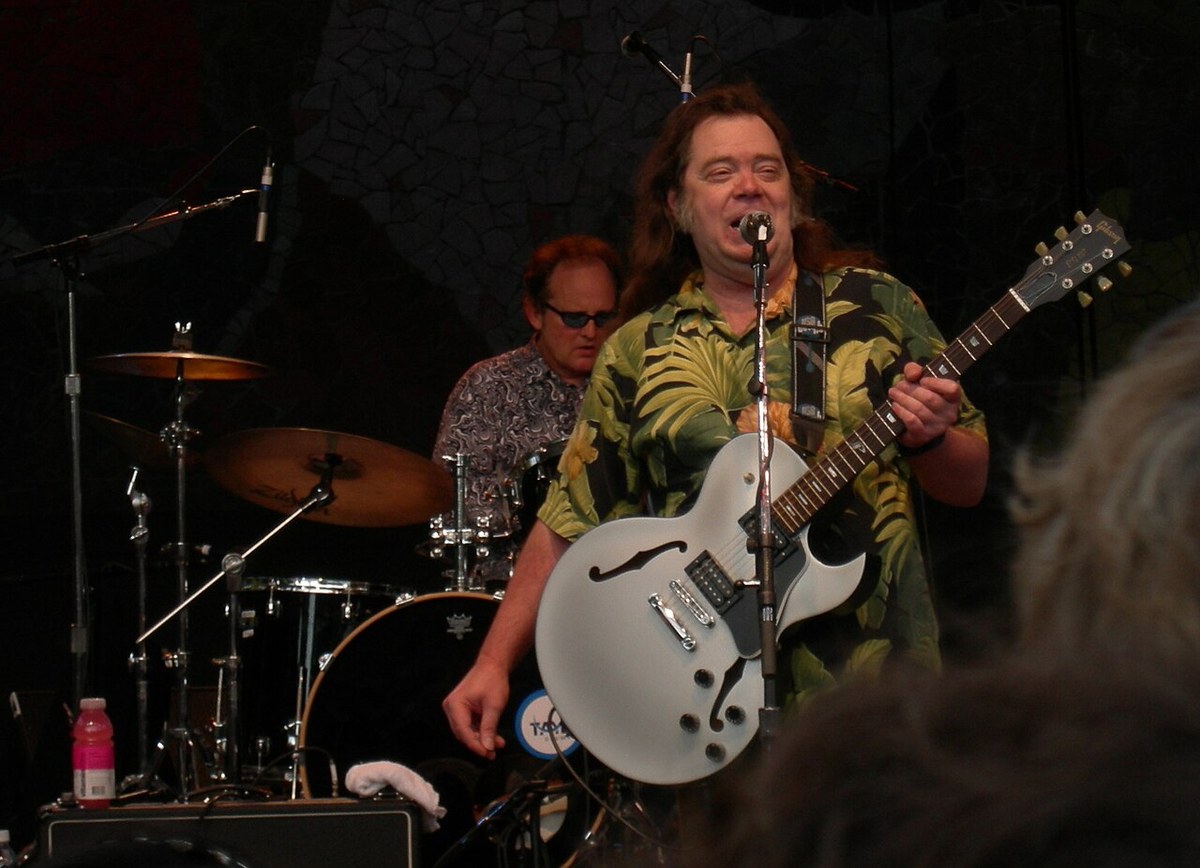
Erickson’s 1969 marijuana case ended the Elevators as a working band when he opted for commitment at Rusk rather than a long prison term. After release he struggled with untreated schizophrenia, attempted incomplete reunions, and eventually rebuilt a solo identity that traded psychedelic philosophy for haunted rock and roll — songs about zombies, two-headed dogs, and cold nights for alligators. He worked with groups including Bleib Alien, the Aliens, the Explosives, and the Resurrectionists. Former Creedence Clearwater Revival bassist Stu Cook produced some of the better-known solo sessions. The music found a cult audience even while Erickson’s day-to-day life remained fragile.
By around 1990 the situation was dire. Reports from friends and later profiles describe poverty (including a period living on a small Social Security stipend), legal trouble involving mail theft charges that were later dropped, and reinstitutionalization. The songwriter who had helped invent an American psychedelic vocabulary needed money, medical advocacy, and a reminder to the wider world that his catalog still mattered.
Where the Pyramid Meets the Eye (1990)
Warner Bros. executive and longtime Elevators admirer Bill Bentley organized the answer: Where the Pyramid Meets the Eye: A Tribute to Roky Erickson, released by Sire Records on October 31, 1990. The title is often cited as Erickson’s own definition of psychedelic music. Bentley assembled Austin peers, Erickson associates, and major-label artists for a set of covers meant both to raise funds and to widen the audience.
The track list reads like a bridge between underground Texas and alternative rock’s early-1990s mainstream: ZZ Top open with “Reverberation (Doubt)”; R.E.M. contribute “I Walked with a Zombie” and, under the alias Vibrating Egg with manager Jefferson Holt on vocals, “Bermuda”; Primal Scream tackle “Slip Inside This House”; the Butthole Surfers detonate “Earthquake”; Doug Sahm & Sons reclaim “You’re Gonna Miss Me”; Julian Cope, John Wesley Harding, Richard Lloyd, T-Bone Burnett, the Jesus and Mary Chain, and others fill out the map. Cassette and later vinyl editions restored songs trimmed from the original CD for length, including tracks by the Mighty Lemon Drops, Lyres, and Angry Samoans.
Critics noticed. AllMusic’s Mark Deming praised the Texas-rooted contributions; Texas Monthly’s Joe Nick Patoski called it some of the most passionate rock he had heard in years; the Rolling Stone Album Guide later called the set an eloquent tribute to Erickson’s songwriting. More important than reviews, the album helped stabilize Erickson’s finances and reputation at a moment when both were nearly gone. Bentley returned decades later with a second tribute, May the Circle Remain Unbroken (Light in the Attic / Record Store Day), after Erickson’s death — proof that the 1990 project had permanently rewritten the artist’s public story.
All That May Do My Rhyme and the long climb back
Erickson performed at the 1993 Austin Music Awards — a public reappearance that stunned locals who had written him off. Studio work with Charlie Sexton and Butthole Surfers guitarist Paul Leary led to All That May Do My Rhyme (1995), released on King Coffey’s Trance Syndicate label. Marketed as his first new album in a decade, it combined fresh, comparatively gentle songs with material from the 1985 EP Clear Night for Love. Coffey later said Erickson told him he was the first person to hand him a royalty check for his music. Trance also issued Never Say Goodbye (1999), a collection of private and unreleased recordings.
The decisive personal turn came in the 2000s, when brother Sumner Erickson gained legal custody and helped secure medical care and medication management. Keven McAlester’s documentary You’re Gonna Miss Me (SXSW 2005; wider release 2007) made the family conflict and recovery process visible worldwide. Erickson returned to full concerts — including Austin City Limits Festival appearances and international dates — often with the Explosives. Shout! Factory’s double-CD anthology I Have Always Been Here Before (2005) and the live archival set Halloween (2008) gave new listeners a map.
True Love Cast Out All Evil (2010)
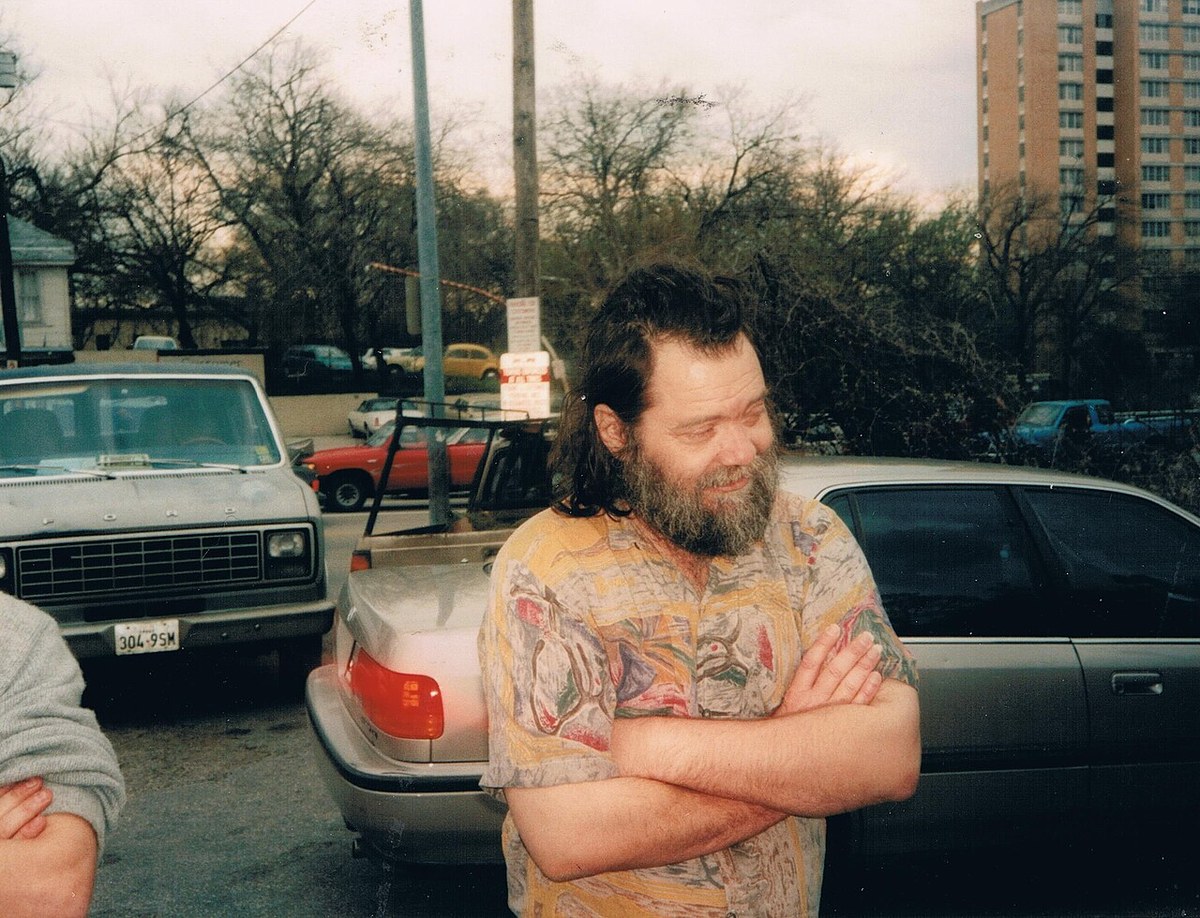
Erickson’s final studio album arrived via Anti- Records with Austin band Okkervil River as backing group and Will Sheff producing. True Love Cast Out All Evil drew on a deep vault of unreleased songs — many written during or after the Rusk years — and folded in found-sound textures from that institutional past. The Guardian noted in January 2010 that it was his first album of original material in fourteen years. Critics heard a frayed, vulnerable voice singing about God, freedom, and loss: not a nostalgia cash-in, but a late-career statement that expanded the legacy rather than freezing it. Erickson continued touring afterward, including a May 2015 Elevators-related reunion at Levitation in Austin with Tommy Hall, John Ike Walton, Ronnie Leatherman, and others.
The arc from Rusk to True Love is not a tidy redemption movie. Schizophrenia did not vanish; legal and medical support had to be rebuilt; the tribute album was charity and advocacy as much as art. But the public record is clear: Erickson wrote songs that outlived every institution that tried to contain him, and a network of musicians — from ZZ Top to R.E.M. to Okkervil River — insisted the world keep listening.
Related: Roky Erickson & the 13th Floor Elevators · You’re Gonna Miss Me · Old Links & Press
Sources
- Wikipedia — Where the Pyramid Meets the Eye
- Lone Star Music Magazine — In Memoriam: Roky Erickson
- Billboard — Roky Erickson obituary
- The Guardian — True Love Cast Out All Evil announcement
- AllMusic — Roky Erickson biography
- FLOOD — Bill Bentley on the tribute albums
- Handbook of Texas — 13th Floor Elevators